It is a special kind of science: the science of helping someone get well. Some doctors approach it with a sniper’s precision, zeroing in quickly on the problem that needs solving. (In the television show House, a running gag is that Dr. House prefers not to spend time with patients; he diagnoses them from a list of symptoms.) For others, the science of health care is in the caring. They want to take someone struggling and make them whole.
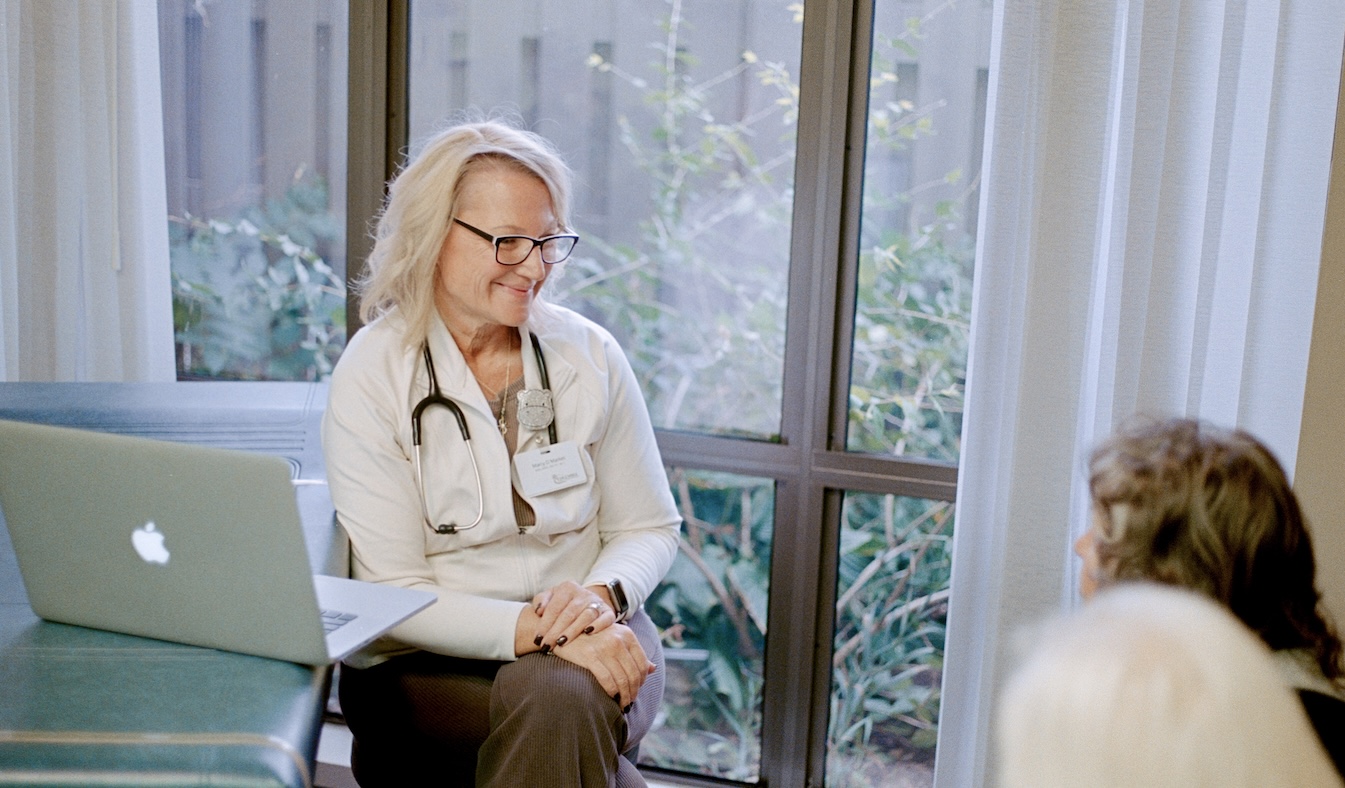
Marcy Markes has spent more than 30 years treating patients across Missouri. For years she worked as a nurse in the ICUs of VA hospitals. “There’s nothing like working with veterans,” she says. She always wanted to be a nurse. “If you ask my brothers, it’s because I’m bossy,” she jokes, “and I want to be in charge of everything and take care of everybody.” She eventually earned her master’s degree as a nurse practitioner and began working for doctors in a practice treating allergies and asthma.
“There are so many people in Missouri who need healthcare and can’t get it,” Marcy says.
But that practice disappointed her. “It was just a factory of people in and out,” she explains. She spent seven years there, becoming increasingly disillusioned: “This was not what I envisioned as taking care of people.” She wanted more time with patients—to treat each one as an individual, to make sure the people she treated were genuinely getting better. She decided to open her own practice.
That brought Marcy a new kind of trouble.
‘The Lone Ranger’
Nurses—in particular, advanced nurses with graduate training—have long been larger-than-life characters in American communities, filling gaps left by physicians.
When the Lower East Side of Manhattan became crowded with European immigrants at the end of the nineteenth century, it was a graduate nurse named Lillian Wald who opened a clinic to treat them. In the 1920s, as families in the Appalachian Mountains struggled to access medical care in nearby towns, it was a certified nurse midwife named Mary Breckenridge who founded the Frontier Nursing Service and began making house calls on horseback.
“We were trying to get away from being a handmaiden to physicians,” explained Loretta Ford, the nurse practitioner who, together with pediatrician Henry Silver, established the country’s first graduate program training nurse practitioners in the 1960s. By then, Ford had experience running pediatric clinics in rural Colorado. “I was used to pretty independent practice,” Ford (who died earlier this year) said in a speech. As a nurse in a rural area, you learn to be “the lone ranger,” she told a medical school. “You were the sanitarian, epidemiologist, the vital statistics office—everything.” Doctors, she’d joke, had ridiculous ideas about what nurses were and weren’t capable of. They believed a nurse could use a stethoscope to check blood pressure, “but if she moved that stethoscope eight inches, oh, that was medicine,” she said. “I used that stethoscope in lots of places at 3 a.m. I could never figure out who they thought was making all these decisions.”
Nurse practitioners say they’re capable of treating patients without doctor supervision—and they’ve been doing it, in many parts of the country, for decades. The $50,000 question is, will the government let them?
That question is quite literally worth $50,000. That’s how much Marcy Markes pays, every year, to satisfy state restrictions on nurse practitioners who want to establish their own businesses.
Paying for Doctor Supervision
“It’s a lot of money,” Marcy says.
She opened her own clinic, Columbia Allergy and Asthma Specialists, back in 2007. “Every patient that I see has a different story,” she says. “We can take better care of our asthmatics now than we’ve ever done before.”
Missouri requires nurse practitioners to maintain a “collaborative practice agreement” with a supervising physician. The agreement has a price tag: Marcy pays a doctor $52,800 annually just to keep compliant with state law.
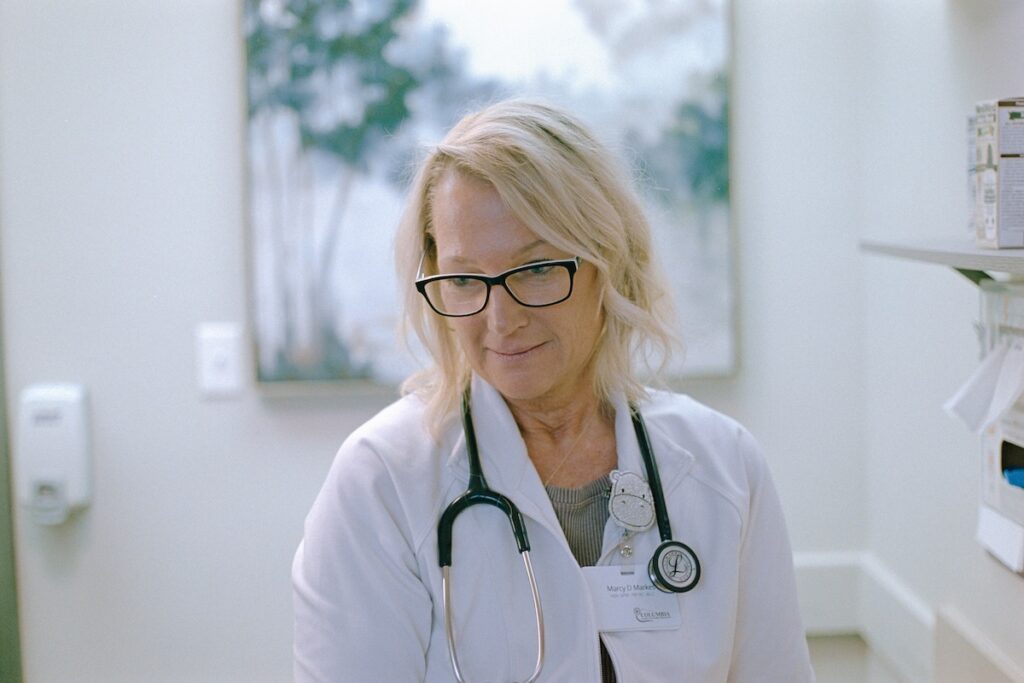
That money should be going to patient care, Marcy says. Her collaborating physician has minimal involvement with the clinic. “He knows exactly where I stand,” she says. “I said, ‘I don’t need you to watch over me. I just need you to be paper legal, is what it comes down to.’ So he leaves me alone.”
The expensive agreement is a thorn in Marcy’s side: It’s a waste of resources at a time when healthcare resources are desperately needed. As of 2024, the United States had a shortage of roughly 124,000 doctors, according to a Pacific Legal Foundation report. The shortage is felt most urgently in rural areas: About 20 percent of Americans live in rural communities, but only eight percent of doctors practice there.
“There are so many people in Missouri who need healthcare and can’t get it,” Marcy says. “There are only three counties in the state that aren’t healthcare deserts. We just need people to be taken care of.”
Marcy used to run three rural clinics. But she was forced to close them after her collaborating physician was reassigned during the COVID-19 pandemic. The physician’s reassignment placed him outside the state’s then-required 75-mile radius for collaborators. The state eliminated that 75-mile rule in 2024, but NPs like Marcy still must pay for “supervision” that now has no meaningful connection to being near the site of treatment.
One of Marcy’s patients now drives two hours so she can treat his asthma. The man’s asthma is severe, Marcy explains. He’s one of her success stories: After she got him on the right treatment, “his life absolutely changed,” she says. He’ll continue to travel to her clinic, even after he moves farther away to work at a dude ranch.
Marcy’s Lawsuit
Marcy testified at a Missouri senate hearing about the negative effects of collaborative practice agreements. A senator asked her: “Well, why didn’t you just become a doctor?” That question drives Marcy crazy.
“It’s just like: I’m old enough, I’m comfortable enough, and nobody owns me. So they can’t tell me what to do,” Marcy says. “And I am established enough with a good reputation. I feel like in this community that I can start speaking up.”
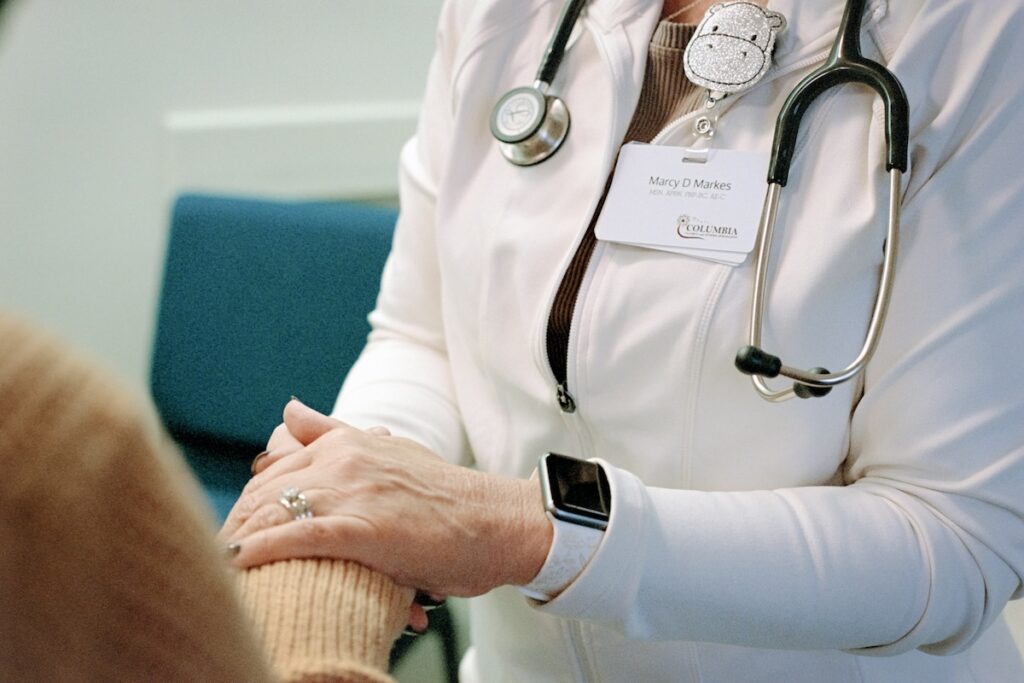
In August she filed a lawsuit challenging Missouri’s collaborative practice agreement requirement. Pacific Legal Foundation represents Marcy free of charge. (We’re also litigating a similar lawsuit in California, representing nurse practitioners Kerstin Helgason and Jamie Sorenson.)
According to Pacific Legal Foundation research, thirty-five states and the District of Columbia allow nurse practitioners to practice independently. (Some of those states initially require a collaborative practice agreement before allowing the nurse practitioner to transition to independent practice.) These states have lower healthcare costs and better access to primary care than the eleven states, including Missouri, that have strict requirements for collaborative practice agreements.
Marcy is a grandmother with thirty years of nursing experience. As long as she practices in Missouri, she’ll need to keep paying for doctor supervision. A nurse practitioner who practices without a collaborative practice agreement faces discipline by state boards and criminal prosecution for a Class D felony. Penalties include up to seven years in prison.
“Things have to change,” Marcy says. “We just aren’t allowed to do what we’ve been trained and educated to do.”