Robin and Ron Fodé can pinpoint the date and exact time the troubles began for their family-owned farm of over 40 years. It was February 14, 2017, at 3:30 in the afternoon. Valentine’s Day.
The local watermaster from the Washington State Department of Ecology was on the phone with bad news: The seasonal water transfer Ron had applied for would not be approved. Without that transfer, Ron did not have enough authorized water for the crops he planned to grow on one of his leased parcels. This was going to be something of a problem, as the Fodés were on the hook to harvest about a million dollars’ worth of crops, mostly potatoes and alfalfa. Contracts were already signed. Deals were made. And the parcel in question needed water. In farming, water is everything.
Ron told the watermaster: “I need to keep the potatoes irrigated because it’s going to be a huge lawsuit if I shut the water off.” The watermaster said it was too late.
There’s so much red tape and bureaucracy that we can’t get much done anymore.
Ron Fodé
Potatoes in the Ground
Like many Eastern Washington farmers, Ron farms a patchwork of owned and leased land. Water rights are tied to particular places and uses, so having enough water available does not necessarily mean a farmer has legal authority to use that water on every parcel he farms.
Washington law provides a way to address that problem. Farmers can apply for seasonal transfers that temporarily authorize existing water rights to be used elsewhere. Ron knew the process well. He had obtained seasonal transfers before.
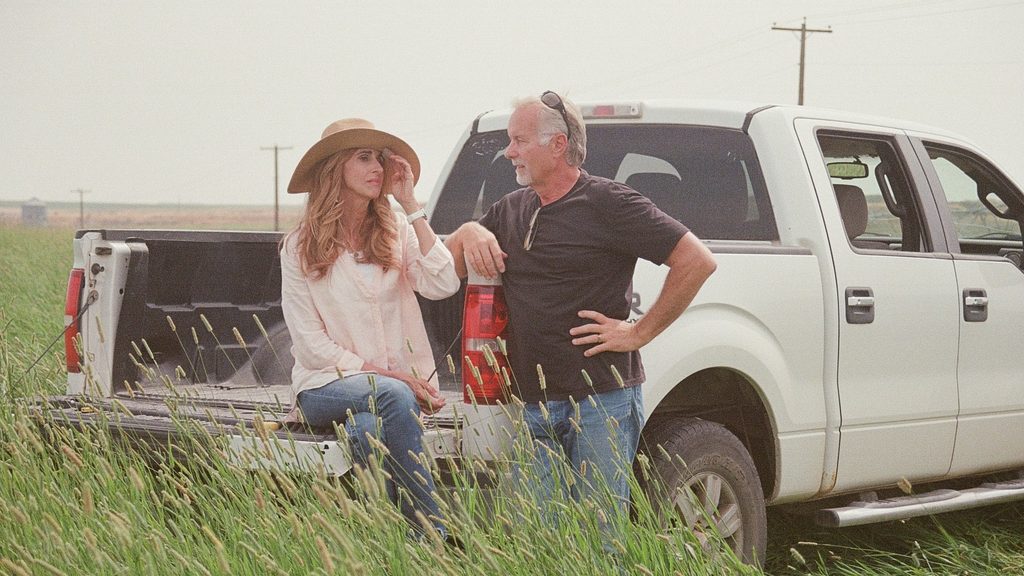
Ron and Robin Fodé. (Mia Ring)
A month earlier, Ron had surveyed his farmland and realized he’d need to make some changes. Fodé Farms is a mix of parcels for different crops. Some are owned by the Fodés outright. Others are leased and farmed by the Fodés. All the land was covered by irrigation and water rights, owned both by the Fodés and the property owners.
Knowing which parcels need what amount of water takes decades of practical farming experience. It’s not something one can learn from an office in Seattle, where the average annual rainfall is about 37 inches per year. In Moses Lake, in Eastern Washington, Fodé Farms gets nine inches a year. Technically, that’s desert conditions.
But modern irrigation techniques have allowed Eastern Washington to become an excellent region for certain crops. Huge canals connect to the Columbia River, which winds throughout the state, originating from British Columbia in the north and out to the Pacific Ocean via Astoria, where Lewis and Clark’s famed voyage came to its destination.
Water access doesn’t need to be an issue in Washington, but it is. The state is regarded as having some of the most complex water usage regulations in the country. The regulations are so complex that the state devotes the resources of a special agency to helping farmers and ranchers navigate the regulations. It’s called the Department of Ecology.
“There’s so much red tape and bureaucracy that we can’t get much done anymore,” says Ron. “Everybody who grows around here definitely has water certificates, water rights that go back generations.”
So when Ron realized he needed to change the distribution of his water rights between parcels in January 2017, he thought nothing of the request he submitted to Ecology for a “seasonal water rights transfer.” This just means, as he puts it, that “I need the water I’m already allowed to use over here instead of over there.”
He’d done it a dozen times before without issue. He’d done it for the exact parcel in question in the past. And between the Fodés’ water rights and the land owner’s rights, he had reason to assume that the land in question was within the bounds of their water rights. But everything changed a month later, with the call on Valentine’s Day.
Request Denied
The watermaster explained that the water right Ron had proposed using was unavailable for the transfer. He couldn’t irrigate.
Ron didn’t panic. He could transfer other water rights. But when he and his lessor came up with a new transfer plan, the watermaster explained that it was too late: The deadline for processing applications was February 15. The day after the original denial.
The trouble with this cutoff is it’s an internal “office deadline.” It was never formally published or submitted for public comment.
Ecology was using this virtually secret deadline as though it was binding law. But under Washington State Law, a rule is legally binding and can be established only after a period of notice and comment.
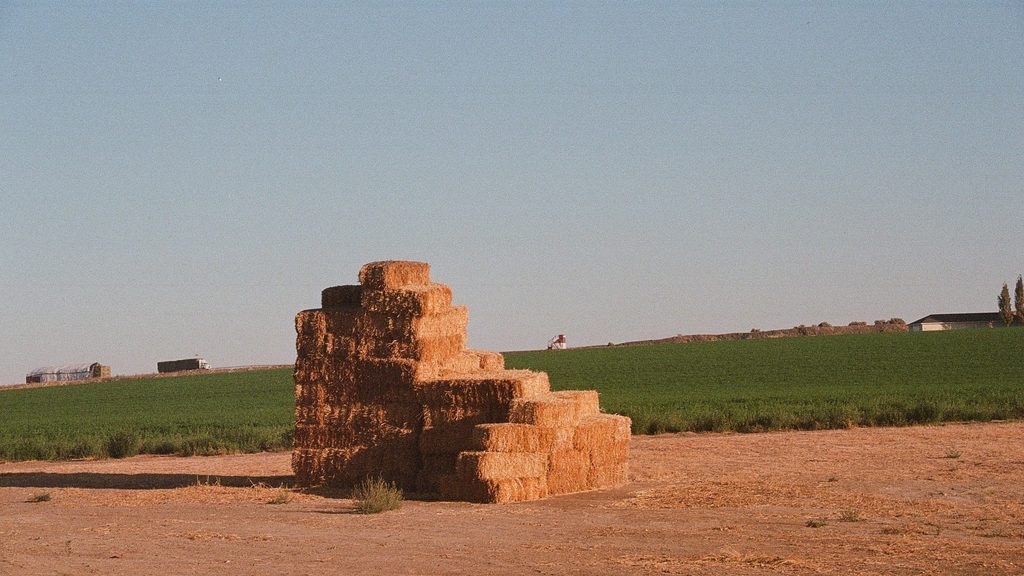
Hay on the family farm. (Mia Ring)
Ecology would not consider another application. They didn’t have to. Their internal deadline said so, and that was that. They had issued a death sentence for the Fodés’ crops, seemingly for no reason. Thousands of acres of food. Again, one of the main purposes of the Department of Ecology is to help people like the Fodés find solutions to the exact problem they were having. State law requires Ecology to provide written technical assistance in these cases. Technical assistance involves identifying lawful means of accomplishing a person’s objectives. The agency can’t impose penalties without first trying to help water users reach compliance.
The Fodés were in an unenviable position. Ron knew Ecology was legally bound to help them find a solution, as they always had in the past. Without water, the crops would rot. A million dollars’ worth of food gone, never to reach how many thousands of dinner tables. In two decades of seasonal permit transfer requests, the Fodés never had an issue.
Through the spring and summer of 2017, the Fodés continued to try to find a solution. In an interview with AGWeb ’s Chris Bennett, Ron laid out his predicament. “I’m not a lawyer or a water law specialist…Farming today means being a negotiator, an accountant, a chemist, and an agronomist…[Ecology left me] with no choice. I could either water or lose my crops.”
So Ron turned the water on.
The Punishment
On June 26, 2017, Ecology sent the Fodés a cease-and-desist order. They say agency staff went onto their farmland “35 to 40 times” that summer to document water use. Ron seems somewhere between incredulous and angry about it. He told Chris Bennett:
They drove hours to get here and back 35 to 40 times to go headhunting and find fault? Why not just help me to water my crops? My tiny office is a single-wide mobile home: Why not just knock on the door?
The Fodés appealed the order to the Pollution Control Hearings Board (PCHB). They continued irrigating based on legal advice and Ron’s belief that the order couldn’t be squared with Ecology’s “technical assistance” requirement.
Robin found the hearing to be an awful experience: “The Department of Ecology walks in with a whole courtroom of people, and they’re trying to make it as difficult and muddy as possible. It’s just three of us. They try to intimidate you.”
During the hearing, the Fodés’ attorney asked Ecology’s regional Water Resources Program manager why they hadn’t provided the written technical assistance required by law: “That’s just something we didn’t do.”
The attorney pressed him further: “So it’s in the statute that you’re supposed to do it, but you just didn’t do it. Is that your testimony?”
“Yes.”
Ecology assessed civil penalties totaling $618,000 for irrigating without adequate water rights. On top of everything, Robin found the hypocrisy particularly galling. The Fodés worked for months to find compliance, while bigger businesses “can take up to five years to come into compliance. But they just tell us ‘stop farming’ while we’ve got potatoes in the ground, we’ve got alfalfa in the ground.”
Treated Like Criminals
Robin and Ron were scraping rock bottom. The PCHB later dropped the charges down to a mere $260,000 but upheld Ecology’s complete lack of assistance as “assistance.”
Between the fines and the legal fight, they did what they could to keep the farm running. Robin says, “Our son will never be able to be a farmer… We’ve sold everything we can possibly sell.”
Ecology wasn’t content with the fines. They dragged the issue to the court of public opinion. In a December 2017 press release, they named the Fodés and said they had illegally pumped 500 million gallons from the Odessa aquifer.
Robin relays how badly the ordeal damaged their reputation locally:
I don’t know actually if our reputation will be restored…It was humiliating…we were told not to go public. You don’t want to make the government mad. And so we kept kind of quiet, and it really is painful because [Ecology] were able to print whatever they wanted to print. I’ve had farm people come up and say, well, we’ve never had any problem with the DOE. And I said, well, we didn’t either until we did.
A Pattern of Abuse
It’s not just the Fodés. Wade and Teresa King, based in the same county, are also locked into battle with Ecology. King Ranch is facing staggering fines for maintaining stock ponds on land they lease for ranching. However, Ecology believes they’re wetlands and issued a fine for $267,000 for “digging in wetlands.”
They also ordered the Kings to fill in these non-wetlands. “How can you restore non-wetlands into wetlands?” asks Wade. The answer, it turns out, is a ten-year, $3.7 million-dollar restoration effort. ( See our Summer 2026 Issue for the full story: “No Justice for Ranching Family in Washington.”)
In 2019, in Spokane, Washington, Ecology fined 85-year-old farmer Bob Greiff $121,000 and put a lien on his house for watering the wrong field. It was his property, and water he was allowed to use.
The Fodés also aren’t alone in another important sense. The National Federation of Independent Business, Western Justice, Washington Cattlemen’s Association, Washington Farm Bureau, and Washington Water Utilities Council all have come out backing the Fodés.
In its brief in support of the Fodés, the Washington Water Utilities Council said, “If what Ecology did for Mr. Fodé satisfies its statutory mandate to provide technical assistance, there might as well be no such duty.”
The Capital Press quotes Washington State Water Resources Association’s executive director John Stuhlmiller: “Technical assistance means, ‘Let’s sit down, talk things out and see if we can get to ‘yes’ … Their technical assistance was, ‘Our office is closed for the year; call next year…”
Fighting Back
While the Fodés finally found themselves allies, the question of the family’s reputation still haunted them. As did the huge fines they still owe. Robin says:
It wasn’t until this winter we had a family meeting. We talked with the kids that we’re selling off more equipment…. Once banks find out what’s going on, they just do not want anything to do with you … they feel bad, they see what goes on in the community. But their hands are tied. And we explain it to the kids. And our one son really talked to us about making it public because maybe the word needs to get out.
That one son now lives in L.A. Pierson Fodé is a film and television actor with over thirty credits to his name. In a twist of fate befitting a Hollywood story, Pierson pulled together his show business contacts and tapped his one million Instagram followers for support. He launched an online campaign, “Justice for Fodé Farms.” Front and center is a video where Pierson implores the audience: “We’ve nearly lost the farm, but we are not giving up because this is the right thing to do.”
The Fodés appealed their case to the Washington State Supreme Court in June of this year. It will be heard in the fall. Pacific Legal Foundation will argue the case on their behalf, with King Ranch joining the petition.
It will have been nearly ten years of fighting Ecology over violations the lower courts treated as inconsequential. But there is nothing inconsequential about an agency bypassing legal protections when the result could cost a hardworking family its farm and livelihood.
Sword&Scales brings you stories from real legal fights defending constitutional rights—beautifully designed, four times a year, delivered to your door.
Support Pacific Legal Foundation with a gift of $25 and we’ll send you a full year of Sword&Scales—all four issues, in print.