

When you ask Chris Heaton how he feels about the land he works on, his voice changes.
“It’s literally home,” he says simply. “It’s sacred.”
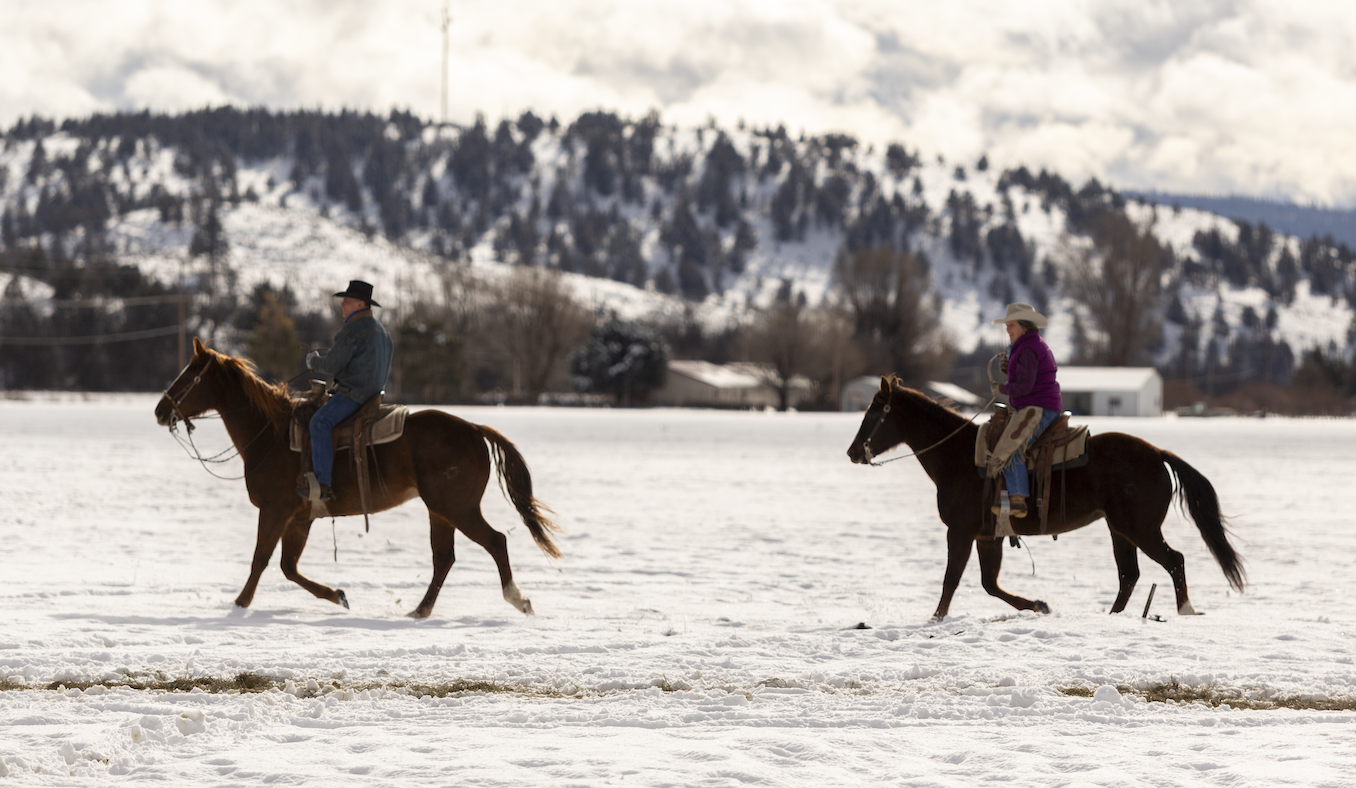
The Heaton family has been cattle ranching in the Red Rock desert region of the Utah-Arizona border for six generations. They raise calves every year and sell them in the fall. Chris has worked the ranch since he was eight years old. Now he’s raising four kids there. The history of his family is all around him: Once, a couple years ago, he stumbled on a rock that had his great-grandfather’s cattle brand on it. “I showed it to my dad,” he remembers. “He didn’t even know it was there.” When Chris rides down canyons and trails, he knows his father, grandfather, and great-grandfather did the same things—“pushing cows down the same trails, fixing the ponds, fixing the springs. It’s a pretty special place.”
Chris’s ranch includes a small farm in Kanab, Utah—where the family grows hay for horses—and about 50,000 acres of public land that is leased from the State and the federal government. Most of the ranch is in Arizona, where private water rights are tied to the right to graze on public lands. The Heatons have proof of their water rights in Arizona going all the way back to the 1800s.
But that doesn’t seem to matter now. In 2023, President Joe Biden signed an executive order that turned part of the Heatons’ ranch into a national monument.
“Am I subject to criminal penalties like it says in the proclamation?”
Chris Heaton
Ancestral Footprints
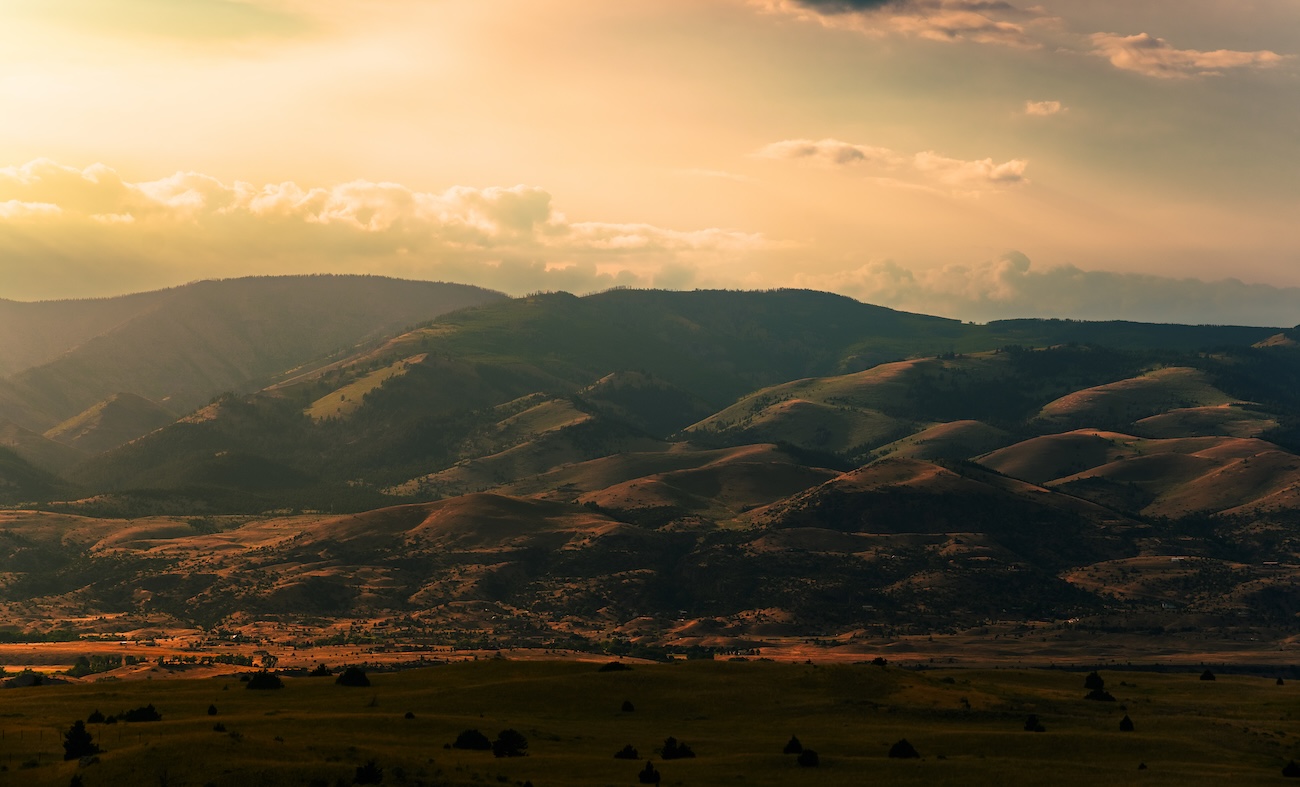
The Ancestral Footprints of the Grand Canyon National Monument now stretches over 900,000 acres of land in Arizona. Anyone who “appropriates” or “removes” any feature of the monument—including mud and silt—is subject to fines and criminal penalties, including up to 90 days’ imprisonment.
What gives the president sweeping authority to set aside nearly a million acres of land? The Antiquities Act of 1906, which Congress passed so President Theodore Roosevelt could act quickly to protect Native American artifacts and other historic objects that were being pillaged by looters moving West.
Chris Heaton has no interest in disturbing Native American artifacts. “I don’t want those to get destroyed,” he says. “That’s history.”

Biden’s proclamation does list legitimate objects of historic significance, including cliff houses, storage sites, granaries, pictographs, and pottery from ancient villages, as objects to be protected. But the monument proclamation also protects common wildlife, like elk and mule deer, and plants like sagebrush, saltbush, native grass lands, and juniper woodlands.
“My cows eat those plants,” Chris Heaton told me.
Even the drainages on the property are now considered protected objects.
“They named all of the drainages—every wash and canyon in the Kanab Creek Basin—as objects,” Chris says. “They say that you can’t disrupt or disturb any of the objects. This is where I have a hard time with it.” What if he cleans a pond or repairs a dike after a flood? “Am I subject to criminal penalties like it says in the proclamation?”
Land management officials at the Department of the Interior can’t give him a straight answer. When he asks whether he will be prosecuted for his cattle eating a protected plant, officials tell him it will depend on the current administration’s interpretation of the rules. That doesn’t provide much comfort to Chris.
“I don’t want to play politics with different administrations,” he says.
He just wants to keep working his ranch.
‘Vast and Amorphous Expanses’
According to the Antiquities Act, the president is supposed to designate the “smallest area compatible” when protecting artifacts or objects. Early monuments were relatively small, with boundaries drawn around specific historical objects to be protected. President Theodore Roosevelt designated only 1,153 acres in 1906 to protect Devils Tower in Wyoming.
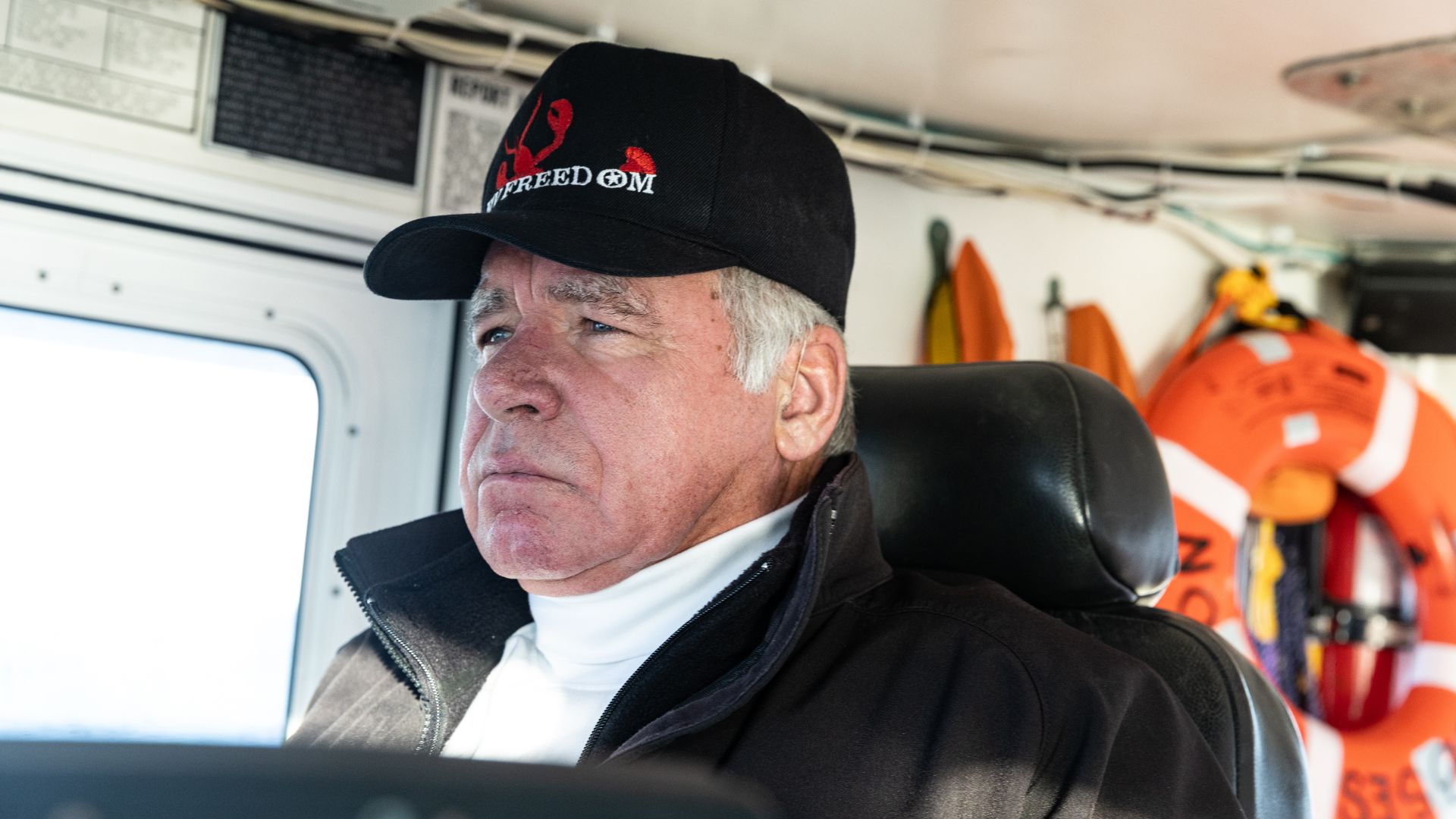
But since the 1970s, presidents have used the Antiquities Act to set aside massive monuments with arbitrary borders. President Obama designated a cool 3.2 million acres of the Atlantic Ocean as “the Northeast Canyons and Seamounts Marine National Monument”—an underwater expanse of restricted space that has frustrated and baffled fishermen.
In other words, the federal government is now using the Antiquities Act to withdraw land and water from productive use, shutting out Americans who, for over a century, have harnessed natural resources to make human life better.
Pacific Legal Foundation represented Massachusetts lobstermen in a 2017 lawsuit challenging the Northeast Canyons designation. The Supreme Court declined to hear the case, but Chief Justice John Roberts weighed in. The Antiquities Act “has ceased to pose any meaningful restraint,” the Chief Justice wrote. “A statute permitting the President in his sole discretion to designate as monuments ‘landmarks,’ ‘structures,’ and ‘objects’—along with the smallest area of land compatible with their management—has been transformed into a power without any discernible limit to set aside vast and amorphous expanses of terrain above and below the sea.”
The Future of the Ranch
Cattle ranching is not an easy life.
“People think it’s this romantic thing—cowboys and cowgirls riding their horses into the sunset,” Chris tells me. “But ranching is hard work. It’s no joke—a lot of blood, sweat, and tears.”
Grazing on federal land doesn’t mean getting a handout. The federal government owns half of all land in the West. Ranchers like Chris often have no choice but to work on land that’s not theirs.

“A lot of people don’t understand grazing on federal land,” Chris says. “A lot of people think we’re getting it all for free. When I do improvements on my ranch, I’m putting personal money on improvements on federally owned land. That doesn’t make sense as a business. Who would invest infrastructure on land they don’t own?”
The ranch is a business, he emphasizes: He’s in the business of putting food on people’s tables. “And you can fail at the business. And you’ll lose everything.”
It’s been a year and a half since the land became a national monument. Chris is still looking for answers from the government. “They’ve really given us no direction one way or another. So we’re in limbo.”
Every layer of restriction—the possible fines and imprisonment, the uncertainty—casts a dark cloud over the future of the Heatons’ ranch.
“Ranching is a way of life for us,” Chris says. “I wanted to raise my kids in the life I grew up in.”
Across America, people like Chris are working to turn America’s abundant natural resources into life-improving food, timber, and energy. In Arizona alone there are 19,000 ranches and farms. But the federal government is making it increasingly difficult for these families to keep going.
Pacific Legal Foundation represents Chris in a federal lawsuit. “The President’s actions raise highly political and economic issues and transcend any discernible limit on his authority under the Antiquities Act,” we argue in our complaint. “Congress did not, and could not, intend to grant the President this unheralded and unbounded power over public land use.”
Chris hopes to leave his ranch to his children someday, continuing the heritage of working in the dirt and the hills and the valleys.
“Sometimes I’ll work on fixing something that I know my grandfather built, or my great-grandfather built,” Chris says. “It makes you wonder, who was the last one to fix this fence?”
Our hope is Chris’s great-grandchildren will one day wonder the same thing.