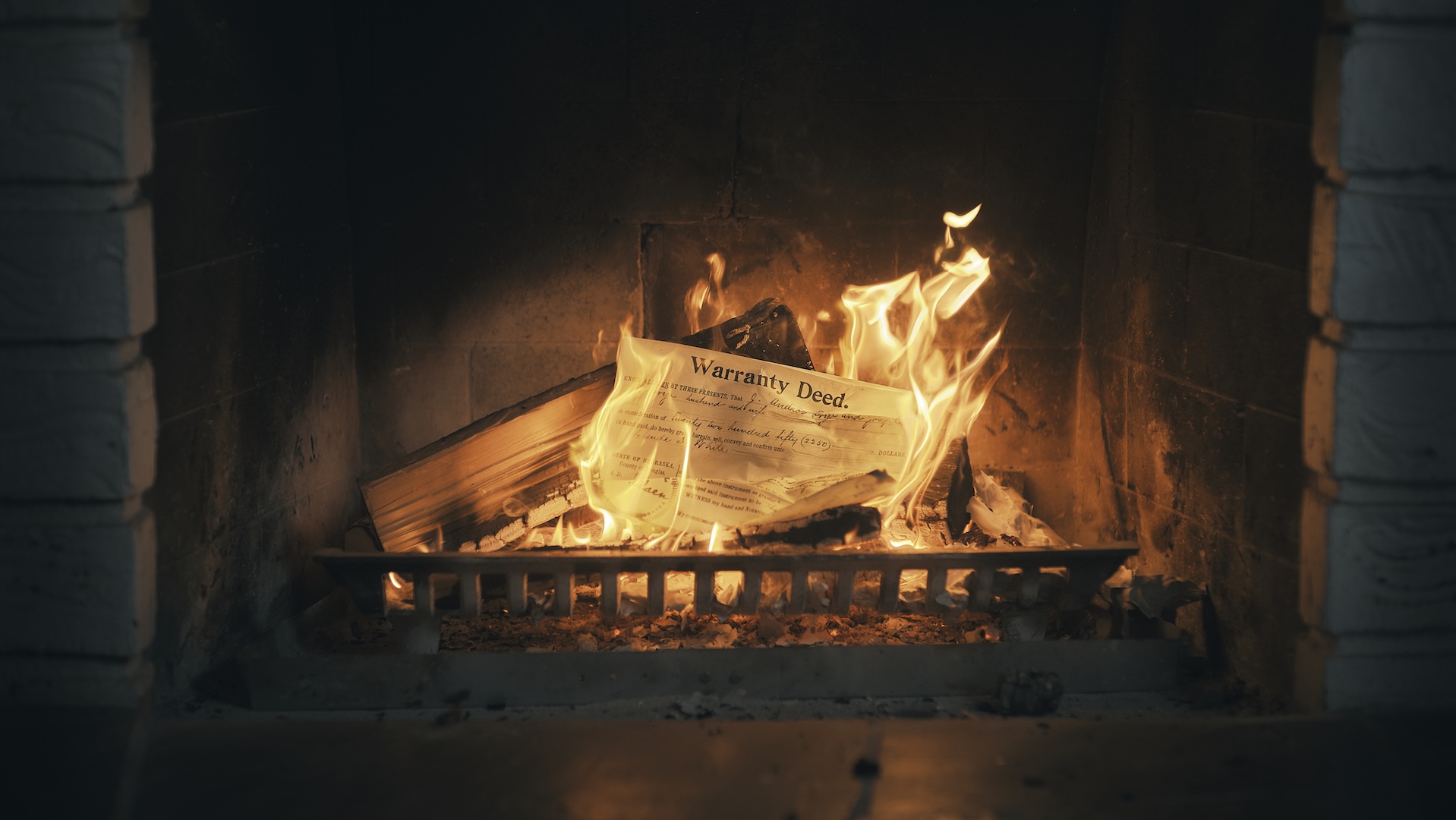


There are sudden home invasions and then there are slow ones, the kind that unfold over months or even years, by increments so small you don’t realize you’ve lost control of your home until it’s too late. That’s what having a nightmare tenant is like. It’s a gradual invasion of your home from the inside.
Thirty-five years ago, Hollywood captured this slow-burning horror with the movie Pacific Heights. Matthew Modine and Melanie Griffith play a young couple who buy a Victorian house in San Francisco, rent out some rooms, and are terrorized by their new tenant, Michael Keaton. He changes the locks. He doesn’t pay rent. He refuses to leave. When Modine, desperate, turns off the power, the police show up and take the tenant’s side. “If he’s in, he has rights,” a police officer tells Modine. “That’s how it works.”
The movie received middling reviews when it premiered in 1990. Roger Ebert called it “a horror film for yuppies.” But in 2024, economist Alex Tabarrok said Pacific Heights was “a movie ahead of its time” for capturing how anti-landlord laws “created a moocher-class of squatters who steal homes and then call police on the owners.”
That’s what’s happening now, in real life, in jurisdictions where tenant protection laws have metastasized into something absurd and cruel. It’s why Pacific Legal Foundation currently represents several California property owners at the Ninth Circuit Court of Appeals: Our clients were trapped in living nightmares.
An Illegal ‘Motel’
Ami Shad and Avinish Jah bought a single-family home in Fremont with every intention of living there. They decided to rent it out temporarily, just until their current lease expired. Then came COVID-19. Alameda County issued an eviction moratorium, preventing the eviction of all tenants, even non-paying ones.
Ami and Avinish’s tenants promptly stopped paying rent. Then Ami and Avinish discovered—to their horror—that the tenants had converted the house into an illegal Airbnb motel, with individual rooms rented to strangers.
Eventually the original tenants abandoned the property. The Airbnb trespassers did not: They refused to leave and changed the locks. By the time Ami and Avinish could re-enter their home again, it was all but destroyed. The City declared the house unsafe and condemned it. Ami and Avinish’s “forever home” had become a kind of haunted house, a monument of financial ruin.
A Single Mother
Hannah Kirk was living in her Oakland home with her two children when she decided to rent out her spare bedroom. After the County announced the eviction moratorium, Hannah’s tenant—who shared her kitchen and bathroom—stopped paying rent and refused to move out. Hannah found herself trapped in her own home, struggling to bear the constant presence of an intruder who wouldn’t leave. After two unimaginable years of living like this, Hannah and her children fled the property.
Savings Wiped Out
John Williams was devastated when the downstairs tenant in his Oakland duplex stopped paying rent. He began draining his 401(k) to pay the bills. One day he tried to access his toolshed in the backyard. The tenant came out screaming, accused John of harassment, and changed the locks. John tried to sell the duplex, but the buyer backed out after the tenant refused to leave. John was forced to take out a loan. By October 2021 he was so riddled with stress that he was hospitalized for panic attacks.
A Dangerous Man
Sheanna Rogers and her husband Karl started renting out their spare studio unit in Hayward, California, to an old friend of Karl’s. Their problems started before the moratorium: The tenant stopped paying rent. He screamed profanities. He intentionally cut pipes and let water flood in the unit. He kicked holes in the wall. He moved dogs in and let them defecate on the floor.
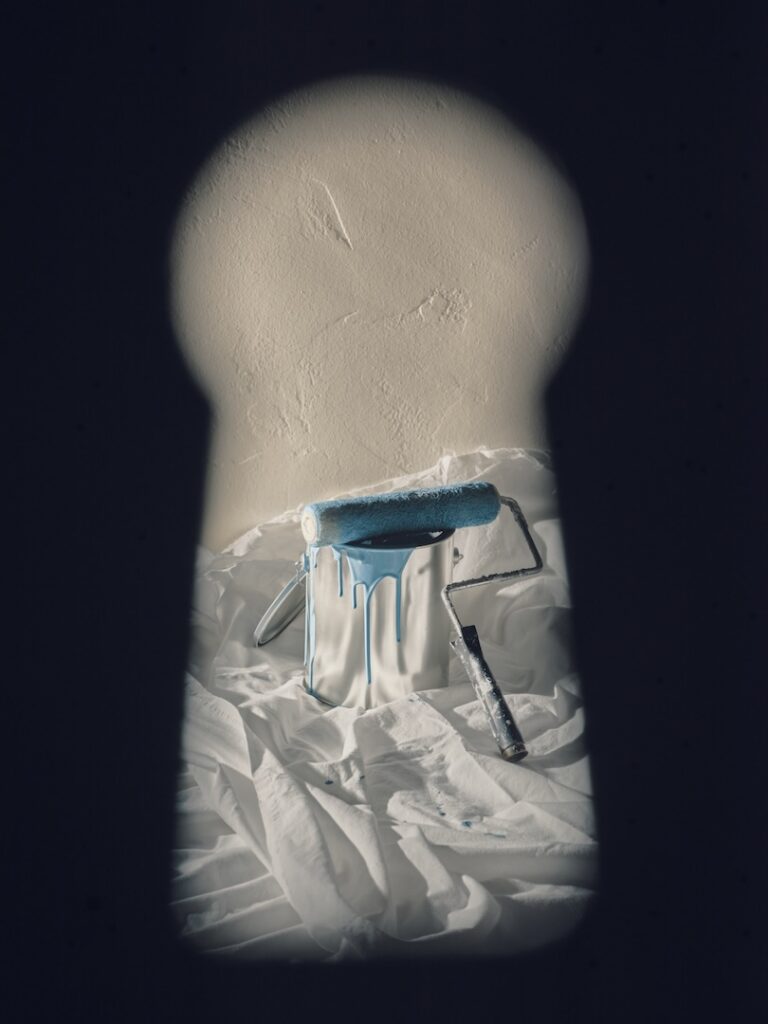
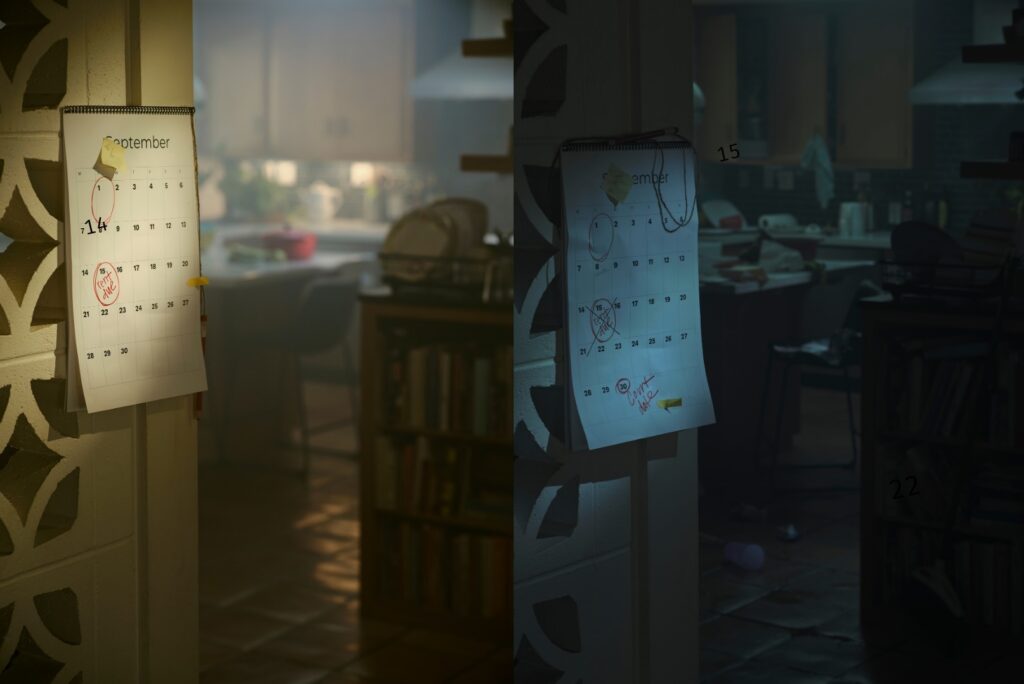
In February 2020, Sheanna sought a restraining order against the tenant and began the eviction process. But the eviction moratorium froze everything in place. The tenant stayed—for three more years. After the moratorium ended in April 2023 (and the tenant was given an additional 60 days to move out), Sheanna and Karl were finally able to enter their unit again. It was destroyed. The couple spent a year and a half putting the place back together. Then they left it empty. They were too scared to rent it out again.
“I want you to take a step back and think about if this was your family,” Sheanna says.
Sheanna, John, Hannah, Ami, and Avinish—along with several other property owners—are now represented by PLF at the Ninth Circuit. PLF has been battling Alameda County over its eviction moratorium for four years. We appealed to the Ninth Circuit in December after the district court rejected PLF’s argument that what happened to these homeowners was an unconstitutional taking of private property.
But what else do you call it when the government forces you to house someone against your will?
The Roots of Bad Laws
If you want to understand how America arrived at a legal regime that treats property owners as presumptive villains, you need to rewind a century.
It started with a New York City building boom. Between 1903 and 1916, builders “transformed” the city with nearly 27,000 new buildings, Robert Fogelson reports in The Great Rent Wars. For a brief moment in New York, there was almost too much housing. Rents dropped. People flooded into the city.
Then World War I began. The Wilson administration declared the building trades “nonessential.” Construction halted. It was “the zero hour for building,” one senator declared. In New York City, housing was suddenly scarce. Rents spiked. Tenants were furious at their sudden change of fortune.
What should have been a lesson in supply and demand became, for some tenants, a rallying call against property owners. It was the “avarice” of the landlord that was responsible for tenants’ troubles, The Bronx Home News reported in 1917. By 1919, The New York Times was calling landlords and tenants “natural enemies.”
That’s when the government stepped in. New York City’s mayor established a committee on “rent profiteering.” The state legislature passed a series of laws giving tenants the right to refuse rent increases and evictions. At a hearing in Albany, Fiorello La Guardia, the new president of the New York City Board of Aldermen, made his philosophy clear: “I come here not to praise the landlord but to bury him.” The room erupted in cheers and hisses.
Home News called New York’s rent laws “one of the most drastic acts since the American Revolution.” Several property owners challenged the laws in court, arguing they violated the Constitution’s Fifth Amendment. One lawyer wrote: “No clearer case has ever been presented of legislation absolutely in conflict with the fundamental law of the United States.”
But judges were unsympathetic. One judge said the laws clearly didn’t take anyone’s property because “the statute does not touch the title of the owner.”
In other words, you still owned your property. You just couldn’t control it. And the government was fine with that.
Today’s Injustices
What happened in New York didn’t stay in New York. One state’s laws became the new national infrastructure of tenant law, turning the machinery of government against property owners.
A century later, property owners are still reeling.
There’s the case of Gavin Glenn in Dallas, whose story was told in the recent PLF report, “Locking Squatters Out.” Gavin bought a home to fix up for his aging father. When he tried to start renovations, he discovered two men living at the home. The police told Gavin their hands were tied. It took a year of hearings and legal orders to get the squatters evicted.
There’s Rochanne Douglas in Washington, DC, who rented out her townhome on Airbnb to a woman who claimed she was displaced by a fire. The woman requested an extension, stopped paying, and claimed she had rights as a tenant. “I told her you will not stay in my house for free,” Rochanne recounted to The Washington Post. The tenant ignored her. Desperate, Rochanne shut off the house’s power and water. A court ordered her to turn them back on. The legal system transformed Rochanne into an involuntary landlord, forced to subsidize the takeover of her own home.
There’s Susan Seggerman in New York. She and her husband had what they thought was the perfect tenant: a Harvard-educated architect. Then he started tearing down the walls in their pristine NoHo loft and behaving erratically. Frantic, Susan and her husband called 911. The police told them it was a matter for Housing Court, which had a two-year backlog. Susan, recounting the ordeal in New York Magazine in 2024, says that when she told a friend what happened, the friend immediately said: “It sounds like Pacific Heights.”
Pacific Heights eventually descends into melodrama and Hollywood action: There is (spoiler) gunfire and a chase through traffic and a climactic final fight. But the real gut-punch of the movie comes much earlier, when the homeowners realize the law isn’t on their side. “This is our home,” Melanie Griffith cries at one point. “This is all happening to us in our home.”
That visceral sense of violation—of losing control of your own space to someone exploiting bad law—is what drives PLF’s work. Property rights are the difference between home and a prison, financial security and ruin, freedom and a government mandate to house an intruder.