
Fear is the foundation of most governments; but is so sordid and brutal a passion, and renders men, in whose breasts it predominates, so stupid, and miserable, that Americans will not be likely to approve of any political institution which is founded on it.
John Adams
The government’s main evidence against Wade and Teresa King is a Google Earth photo taken from space.
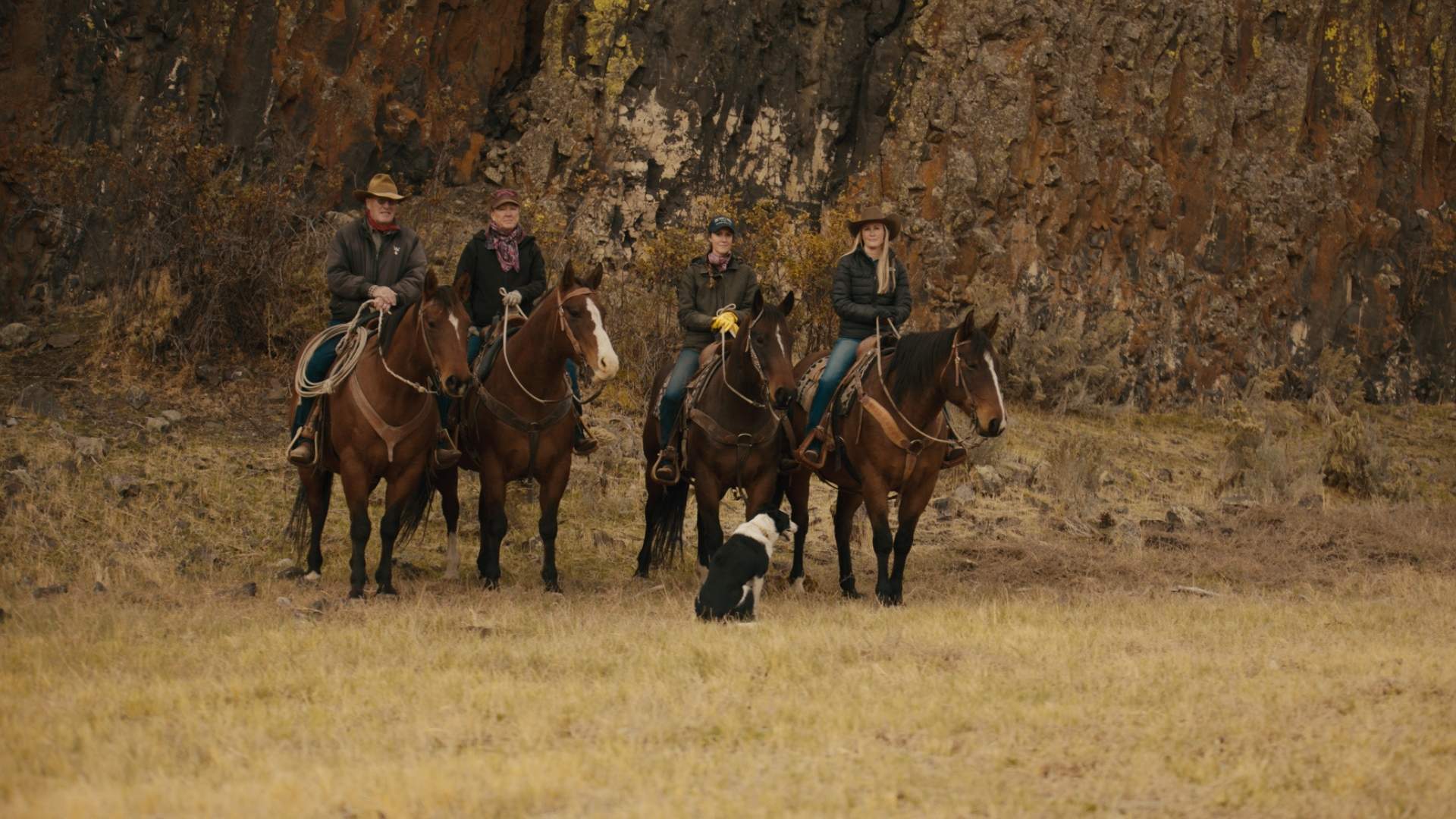
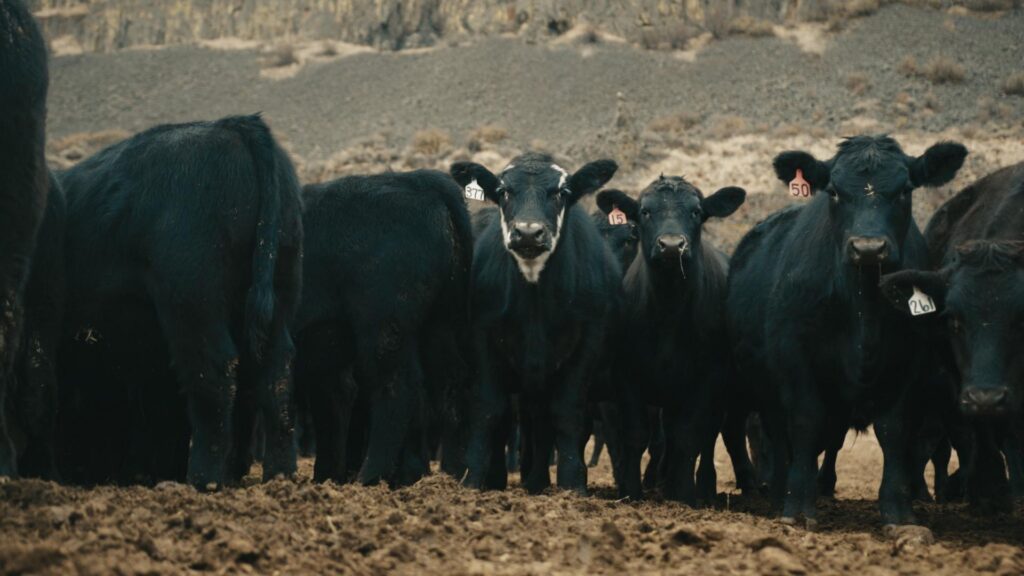
King Ranch sits on the edge of Washington State’s Grand Coulee, a deep canyon carved into ancient granite bedrock. The land here is so dry it’s almost a desert. The Kings have been ranching here since the 1950s, breeding horses and cattle that “are raised in the rocks, bluffs, and sagebrush of the Coulee,” as the ranch website puts it. The family digs stock ponds for their cattle and horses to drink from.
That’s what officials at the Washington State Department of Ecology saw when they examined blurry satellite photos of King Ranch: man-made stock ponds. But they thought they saw something else.
In February 2023, the Washington State Department of Ecology sent Wade and Teresa King an administrative order, accusing the couple of digging in wetlands on their property. Their punishment? A $267,540 fine, due within 30 days.
“These are not wetlands,” Wade protested to Tri-state Livestock News.
In a follow-up order, the Department of Ecology ordered the Kings to “restore” the “wetlands”—a 10-year process that is projected to cost the family over $3.7 million.
“How can you restore non-wetlands into wetlands?” Wade asked.
Getting an administrative order is like being cursed or struck by lightning: Your world abruptly changes and you can’t control it. The Kings can challenge the government’s orders—but not to a judge. The case goes to the Pollution Control Hearings Board, an administrative tribunal run by the state in Olympia, a four-hour drive from the ranch. There’s no jury. No real courtroom. The three members of the Board were appointed by the governor, just like the head of the Department of Ecology.
The Kings are being prosecuted, judged, and fined by bureaucrats. And they still don’t know why.
“We have broken no laws,” Wade said, “and we are not doing anything differently than we’ve done for decades.”
Jury Trials
The government can accuse you of wrongdoing. But it’s your peers who are supposed to determine your guilt.
Jury trials are an ancient guard against tyranny, older even than Magna Carta, which codified the right to a jury trial in 1215 by forbidding the king from seizing a free man’s possessions without “the lawful judgment of his equals.”
In colonial America, juries protected people from arbitrary British prosecutions: Colonists simply refused to convict their neighbors of sham crimes. In 1734, New York’s royal governor accused newspaper printer John Peter Zenger of “seditious libel” for criticizing his administration. Two separate grand juries refused to indict. When the furious governor ordered Zenger arrested and tried anyway, the jury found him not guilty. (“The question before the Court and you, Gentlemen of the jury, is not of small or private concern,” Zenger’s attorney told jurors. “It is the best cause. It is the cause of liberty.”)
By the 1760s, the British found a workaround: They routed more cases to vice-admiralty courts—tribunals that had no juries. There, the Crown was in control. The officer, prosecutor, and judge were all tools of the British legal machine, moving together as one hammer. The accused bore the burden of proving his innocence. The outcome was practically predetermined.
The colonists considered this cause for war. The Declaration of Independence lists twenty-seven grievances against King George III. Among them: “For depriving us, in many cases, of the benefits of Trial by Jury.”
A decade later, as the Founders finalized the U.S. Constitution, a disagreement emerged over jury trials—not whether they should be included in the Constitution, but how many times they should be included. Alexander Hamilton described the debate in Federalist No. 83: For one side, the right to a jury trial was merely “a valuable safeguard to liberty”; for the other, it was “the very palladium of free government.”
The latter side won. The right to a jury trial is written into the Constitution in three separate places: Article III, Section 2 (“The Trial of all Crimes, except in Cases of Impeachment, shall be by Jury…”), the Sixth Amendment (“In all criminal prosecutions, the accused shall enjoy the right to a speedy and public trial, by an impartial jury of the State…”) and the Seventh Amendment (“In Suits at common law, where the value in controversy shall exceed twenty dollars, the right of trial by jury shall be preserved…”).
Thomas Jefferson called trial by jury “the only anchor ever imagined by man, by which a government can be held to the principles of its constitution.” John Adams said that without trial by jury and representative government, “we have no other fortification against being ridden like horses, fleeced like sheep, worked like cattle, and fed and clothes like swine and hounds.”
Why, then, are Wade and Teresa King forced to defend themselves against a quarter-million-dollar fine in a juryless tribunal, controlled by the state?
Public Outrage, Private Tribunal
If the Washington State Department of Ecology took their case against the Kings to a local jury, it might very well lose. The public is outraged on the Kings’ behalf.
The state’s actions “could set a dangerous precedent for other ranchers who may be penalized for so-called ecological damage just for ensuring their watering holes are accessible to livestock,” Keely Covello writes on Substack.
“This is the worst case of state overreach I’ve ever heard of in my life,” one commenter writes on X.
“It is not just about one ranch in Washington,” another adds. “It is about a system that keeps making it harder for ordinary Americans to keep what is theirs.”
Even the United States Secretary of Agriculture and regional EPA administrator have defended the King family.
“Ranchers have a right to maintain stock water farm ponds and should not be faced with a closed-door criminal action and over a quarter of a million dollars’ worth of fines just so their cattle can drink!” USDA Secretary Brooke Rollins posted.
EPA regional administrator Emma Pokon expressed “grave concerns” in a letter to the Ecology Director. “Targeting a ranch for actively maintaining a manmade farm pond is not only wrong, but impermissible under state and federal law,” she wrote.
But it almost doesn’t matter what people think. In an administrative tribunal, there’s no shield between the accused and the will of the state.
This spring, Pacific Legal Foundation helped the Kings file a motion for summary judgment in Grant County Superior Court, arguing that the Pollution Control Hearings Board proceeding is unconstitutional. Both the Seventh Amendment and the Washington State Constitution guarantee the Kings the right to a jury trial.
There is one legal knot to untangle: The Seventh Amendment has never been applied to the states. The Bill of Rights, when ratified in 1791, protected Americans only from the federal government; over the last century, the Supreme Court has selectively extended its protections—speech, religion, property—to the states through the Fourteenth Amendment’s “due process” clause. The Seventh has been left out. It would take a case like the Kings’, argued all the way to the Supreme Court, to change that.
The Kings’ lawsuit is underway. But a judge denied PLF’s request to halt the Pollution Control Hearings Board proceeding in the meantime—meaning the family is still on the hook for the quarter-million-dollar fine, and Wade and Teresa are still trapped in a process that seems, in itself, like a cruel and endless punishment.
Wade King told media that environmental experts who visited his ranch were as perplexed as anyone by the state’s actions.
“I remember our experts going out and looking at these sites,” Wade said. The experts asked: Shouldn’t a wetland be wet?